Seasonal Travel Storytelling: What to Notice in a Destination During Shoulder Season
There is a particular hour in late October when a coastal town stops performing. The beach bars have stacked their chairs, the light comes in low and sideways, and the piazza belongs to the people who actually live there. Nothing is arranged for you. Everything is simply happening.
That is the quiet gift of shoulder season — those weeks between the crowds and the closures, when a destination shows its working face rather than its welcome face. You don't need a new guidebook to notice it. You need to slow down, look at what has changed since summer, and ask better questions than "where do we eat tonight?" Here is what to watch for, and how to turn each small detail into something you'll still remember a year later.
Start With the Light
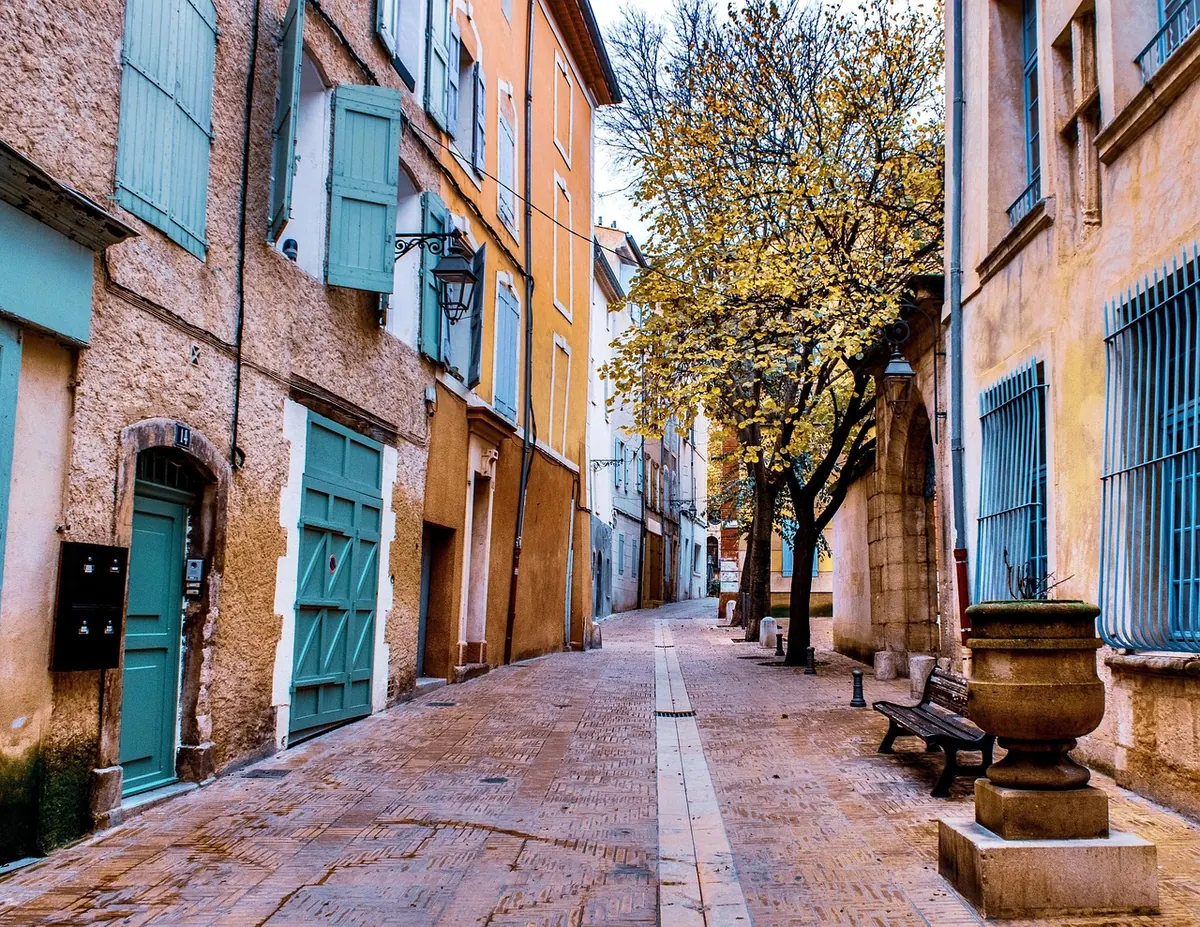
The sun is the most reliable narrator of a season. In the shoulder months it sits lower, travels a shorter arc and throws longer shadows. A street you walked at noon in July becomes a corridor of amber at four in the afternoon in late September. Facades that looked flat now have texture; stone that looked grey turns honey.
Pick one street or square near where you're staying and walk it three times on your first day — morning, mid-afternoon, and an hour before sunset. Notice where the light lands, which side stays warm, which café gets the last of it. That single exercise gives you a map no app will draw for you, and it tells you how to shape the rest of your days: mornings for markets and alleys, harsh midday for churches, museums or a long lunch, late afternoon for the streets facing the setting sun.
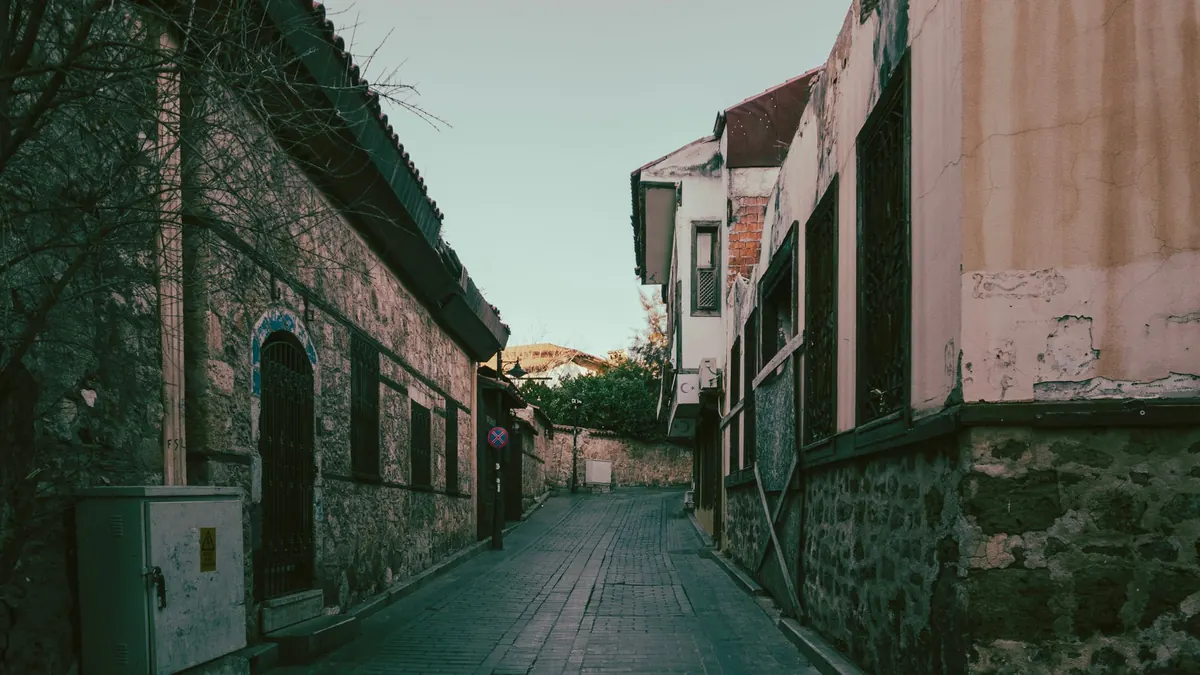
In the in-between weeks the light is also honest. It reveals peeling paint, laundry lines, the cat asleep on a scooter seat — the small, true details that summer glare washes out entirely.
Watch What Locals Do With the Weather
Forget the forecast app for an hour and read the street instead. Are the awnings out or rolled up? Have the café chairs moved from the shade into the sun? Are people carrying a jacket over an arm at eleven in the morning? Is there woodsmoke in the evening air, or are the fans still turning? Is the washing hanging at noon or at three, when the afternoon sun is strongest?
Each of these is a piece of local knowledge you can borrow. Blankets folded on the terrace chairs tell you the evenings turn cold after sunset, whatever the daytime temperature claims. A bakery busier at eight than at ten tells you when the bread is worth queueing for. A shop that opens at seven and closes at one tells you the town still runs on its own clock.
Then follow the evidence. Sit where the people who work nearby sit. Order what they order. Take the sunny table at noon and the one against the wall at six. This isn't imitation for its own sake — it's how you spend an hour inside the rhythm of a place instead of alongside it.
Read the Empty Spaces
An emptier street is not a blank one. Look at what fills it.
Scaffolding and painters' ladders are a good sign: this is the month when the work gets done, before the next season arrives. Shutters down for a week with a handwritten "back on Thursday" taped to the door tells you the town still runs on personal time. A restaurant closed on a Tuesday in October while its neighbour is full is information too, though not always the information you think.
Quiet is not the same as empty, and a town at rest is not a town on display.
Resting, or struggling?
It's worth learning the difference, gently. A place at rest usually looks cared for: swept steps, watered plants, one shop open with the owner reading behind the counter. A place struggling looks different — boarded windows, streets nobody sweeps. Either way, avoid the assumption that quiet equals authentic, or that a destination owes you a performance of local life. Shoulder season is working time for the people who live there. Buy something, say thank you, keep your voice low in a residential courtyard.
Listen for the Handover
Seasons announce themselves in sound before they do in temperature. Between the summer version of a place and the winter one, you'll hear things that belong to neither.
Delivery vans at six in the morning, unloading for a town that is suddenly eating at home. School bells at hours you'd forgotten existed. Street cleaners working a route that was impossible in August. Radiators ticking as the heating comes on for the first time, or the sudden absence of the fans that hummed all night in July. Church bells back on their winter schedule. Birds you didn't hear once in high summer.
Sit somewhere for twenty minutes with nothing to do and no headphones, and try to name what you hear. It is a small exercise, almost embarrassing in its simplicity. It is also the fastest way to feel the season shift under your feet.
Let Food Be Your Calendar
Menus in the in-between weeks are shorter, and that's usually a good thing. Fewer dishes often means the kitchen is cooking what is actually available rather than what the season is expected to provide. At the market, walk a full lap before buying anything. Look at what's piled high, what's in crates, and what has quietly disappeared since summer.
- Go early. The best of the market and the best of the conversation are both gone by mid-morning.
- Buy one thing you can't name, then ask how it's usually cooked at home.
- Read the specials board before the printed menu — it's the more honest document.
- Eat where the bread is good and the menu fits on one page.
- If you have allergies or dietary needs, say so plainly and early. A quiet kitchen has more time to help, but nobody can guess.
Ask Better Questions
The tourist office can tell you what's open. The person behind the bakery counter can tell you what's happening. Ask what has changed in the last few weeks, what the weather usually does in this month, where they go on their day off, which road is worth the drive when the light is low.
Ask in the morning, when people are settling in and unhurried. Ask once, listen fully, and don't hold someone's attention while a queue forms behind you. Write down what they say — a name, a street, a day of the week — or you'll lose it by dinner.
One practical caution: in shoulder months, plenty of places keep shorter hours without updating anything online. A phone call, or simply walking past the door, still beats a listing that was last edited in June.
A Short Checklist for the In-Between Weeks
- Check opening days twice: once when you plan, and again the week before you arrive. Small businesses take their own holidays in quiet months.
- Pack for two seasons — layers, a rain shell, one warm thing for the evening, shoes you can walk in for six hours.
- Book your first night and your last night, then leave the middle loose enough to follow a recommendation.
- Walk one block off the obvious route every day, in the direction the light is coming from.
- Plan around the sun: outdoors early and late, indoors at midday.
- Carry a small notebook. Three lines a day is enough to bring the trip back later.
Shoulder season rewards the traveller who arrives curious rather than demanding — who treats a half-closed town as an invitation to look closer instead of a disappointment to complain about. The details are already there, and the light is doing its part. All you have to do is slow down to the speed of the street.
Photo: Lens_and_Light / Pixabay